

Ultimate Water Volume Calculator Guide for Alberta Residences and Construction Sites
Stop guessing how much water you need. This comprehensive guide helps you accurately calculate requirements for cisterns, pools, job sites, and more—plus includes our free calculator tool that does the math for you.
Many rural properties and industrial construction projects in central Alberta operate off the municipal water grid — meaning they rely entirely on bulk potable water delivery for everything from drinking and hygiene to recreation and construction operations.
We created this guide specifically for acreage homeowners and industrial site managers to make estimating your bulk potable water requirements easier and more accurate.
In this guide, we’ll show you:
- How to manually calculate water volume based on tank or pool dimensions
- Real-world use cases for acreage cisterns, swimming pools, hot tubs, and job site water planning
- And finally, an easy-to-use water volume calculator to do the math for you
Whether you’re managing a rural residence or a remote job site, this guide will help you move beyond “I need water!” to knowing exactly how much and when.
Understanding Potable Water: What It Means
Potable water is not pumped from a well, dugout, or natural spring. It’s treated and safe for human consumption — including drinking, cooking, and hygiene. It’s free from harmful contaminants, bacteria, and impurities.
For rural properties and remote job sites in Alberta, accessing potable water means relying on regulated bulk delivery systems.
According to Alberta Health Services (AHS), potable water must meet strict quality guidelines, and all bulk delivery providers must follow sanitation and safety regulations. Whether it’s for a household cistern or a construction site’s workforce, ensuring the water is clean and safe is non-negotiable for health and compliance.
Common Applications for Bulk Potable Water
Bulk potable water plays a vital role in operations across a range of settings:
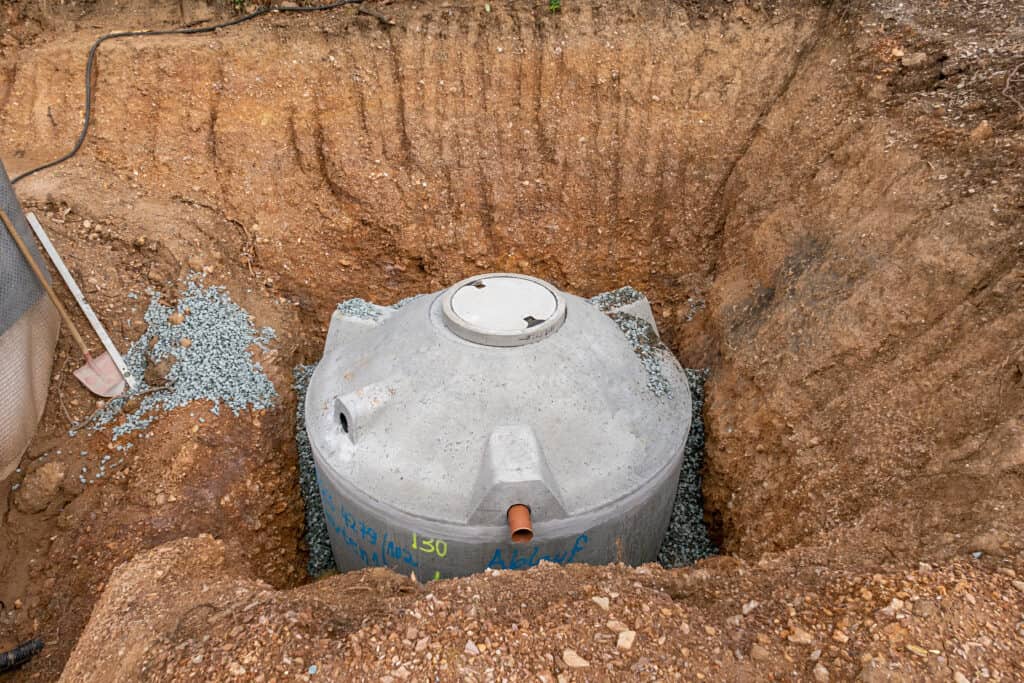
- Acreage Cisterns: Many rural homes rely on underground or above-ground cisterns as their primary water storage.
- Swimming Pools and Hot Tubs: Filling residential pools and hot tubs quickly with treated water saves time and avoids the risk of contaminated well water or extended pump use.
- Ice Rinks: Backyard or community rinks often use trucked-in water during winter to create the pristine ice surfaces that skating and hockey enthusiasts expect.
- Industrial and Construction Sites: Temporary job sites use potable water for worker hydration, handwashing stations, and more.
Each of these has unique volume demands and bulk water delivery offers a fast, safe, and scalable way to meet them.
Water Volume Basics: How It’s Measured
Planning for water requirements starts with understanding how water volume is measured. The most common units are:
- Litres (L)
- Imperial gallons (used widely in Canada)
- Cubic metres (m³)
Basic Conversions:
| Unit | Conversion |
|---|---|
| 1 metre | 100 cm |
| 1 foot | 0.3048 metres |
| 1 inch | 0.0254 metres |
| 1 litre | 0.22 imperial gallons |
| 1 US gallon | 3.785 litres (⚠️ less than Imperial/UK) |
| 1 Imperial gallon (UK) | 4.546 litres |
| 1 Imperial gallon | 1.2 US gallons |
| 1,000 litres | Approx. 220 Imperial gallons |
| 1 cubic metre | 1,000 litres |
Shapes and Calculations:
These helpful formulas can be used to manually calculate the volume of above-ground tanks, cisterns, or even pool basins. Use the imperial to metric formula only when you have dimensions in feet but need to estimate volume in litres.
For rectangular or square containers:
Metric formula (using metres): Volume (L) = Length (m) × Width (m) × Height (m) × 1,000
Imperial dimensions converted to metric (using feet): Volume (L) = (length in feet x 0.3048) x (width in feet x 0.3048) x (height in feet x 0.3048) x 1000
For cylindrical containers:
Metric formula (using metres): Volume (L) = π × radius² × height (in metres) × 1,000
Imperial dimensions converted to metric (using feet): Volume (L) = π × (Diameter in ft × 0.3048 ÷ 2)² × (Height in ft × 0.3048) × 1,000
But don’t sweat the manual calculations. We’ve got a handy tool for you…
Water Volume Calculator Tool
To make this easy, we’ve created a simple calculator tool with 3 easy steps:
- Select the shape of your cistern, tank, pool, or space (rectangle, cylinder, or custom).
- Enter the dimensions in metres or feet.
- The calculator will instantly show you the volume in litres and imperial gallons.
This tool is especially helpful when:
- Planning a new cistern installation
- Planning for recurring water deliveries
- Estimating pool & hot tub fills and top-ups
- Managing water needs for the workers on industrial projects
Water Volume Calculator
Our oversized aluminum tanks mean we can haul 15,000 litres (3,300 imperial gallons) per trip. How many loads will you need? Keep reading…
Acreage Cisterns: How Much Water Does Your Family Need?
General rule: A good number to guide household water consumption is 250 – 265 litres per adult per day for drinking, cooking, and hygiene. Interestingly, this number is significantly lower in the Edmonton area than the Canadian average of 427 litres daily.
Example: A family of four might require 1000 litres per day. Therefore, West Imperial Water’s oversized tanks would mean you’d need a delivery approximately every 2 weeks, potentially sooner depending on usage, weather, holidays, and visitors.
Swimming Pools & Hot Tubs: How Much Water Do You Need?
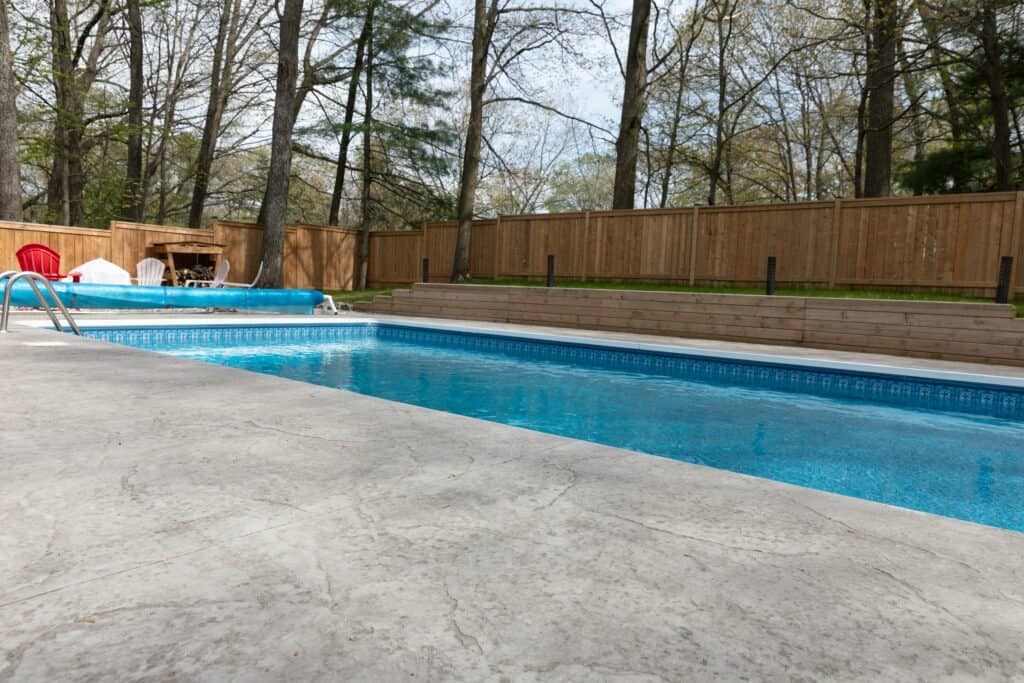
Backyard pools and hot tubs are a luxurious feature, especially on acreage homes with ample space. Here’s how to calculate the volume of water needed to fill a standard pool or hot tub:
Common Pool Sizes:
- Above-ground round pool (15 ft x 4 ft deep): ~17,000 litres
- In-ground rectangular pool (12 ft x 24 ft x 5 ft deep): ~40,000 litres
- Large custom pools: Can exceed 60,000 litres
Common Hot Tub Sizes:
- Medium, seats 4–5 people (6.5 ft x 6.5 ft x 3 ft deep): ~3,568 litres
Other Things to Consider:
- Top-ups and evaporation: On hot summer days, pools can lose 100–300 litres daily through evaporation.
- Initial fill vs. maintenance: Your initial delivery might need to be full-volume, but top-up deliveries can be partial.
- Water safety: Using potable water for pool filling ensures no contaminants that could harm swimmers or require excessive chemical correction.
- Maintenance and Time Savings: Filling your pool or hot tub with delivered bulk potable water protects your cistern pump from unnecessary wear—and saves you from making multiple trips to the treatment plant with a small tank in the back of your pickup or trailer. Fewer chores, less hassle, and more time floating on that inflatable flamingo.
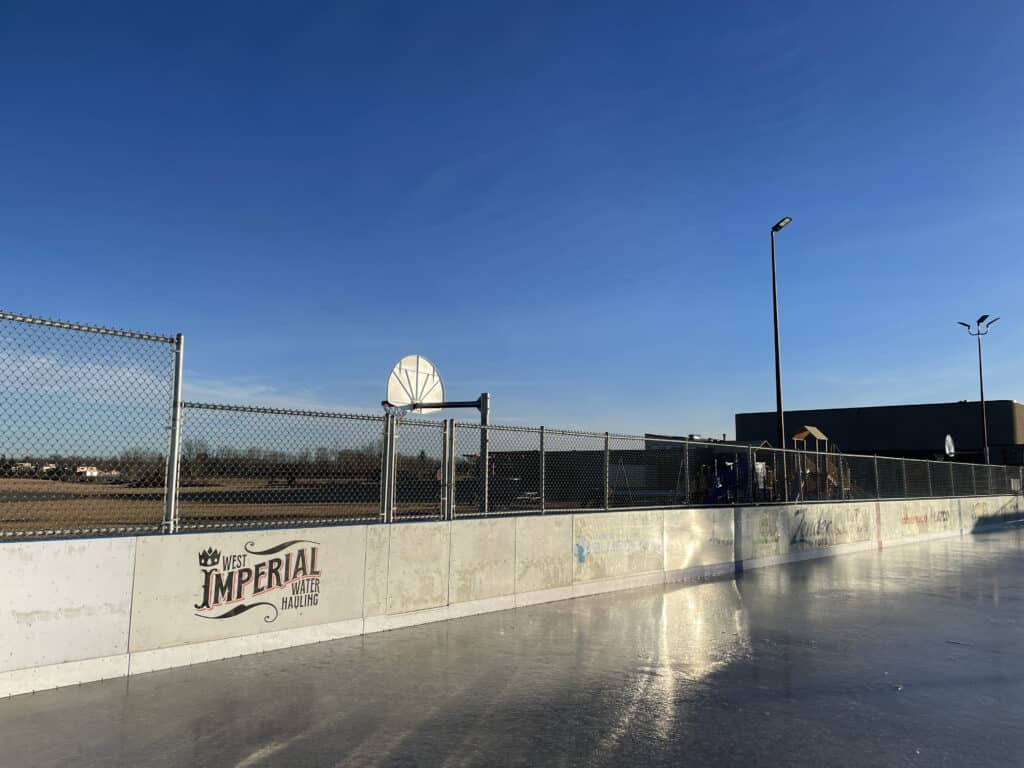
Building and Maintaining Ice Rinks in Alberta Winters
A backyard rink is practically a rite of passage in Oilers country. But it takes more planning than just tossing down some square straw bales. The ground must be level before flooding, or you’ll end up with shin-deep ice on one side and barely a skim on the other. And if a warm snap hits, all that effort could vanish faster than a playoff lead—unless you’ve got a poured concrete base or a good liner to keep it from disappearing into the ground.
Common Rink Sizes:
- Community or backyard rink: 30 ft x 60 ft or larger: A complete 4-inch base (minimum for skating) requires ~ 8,000 litres.
- Mid-season re-flood 20 ft x 40 ft: ~2,000 litres for a single 1-inch flood
Potable water gives you a clean, fast-freezing surface—no murky creek water or gritty well debris to trip up skaters or dull their blades before the first slapshot.
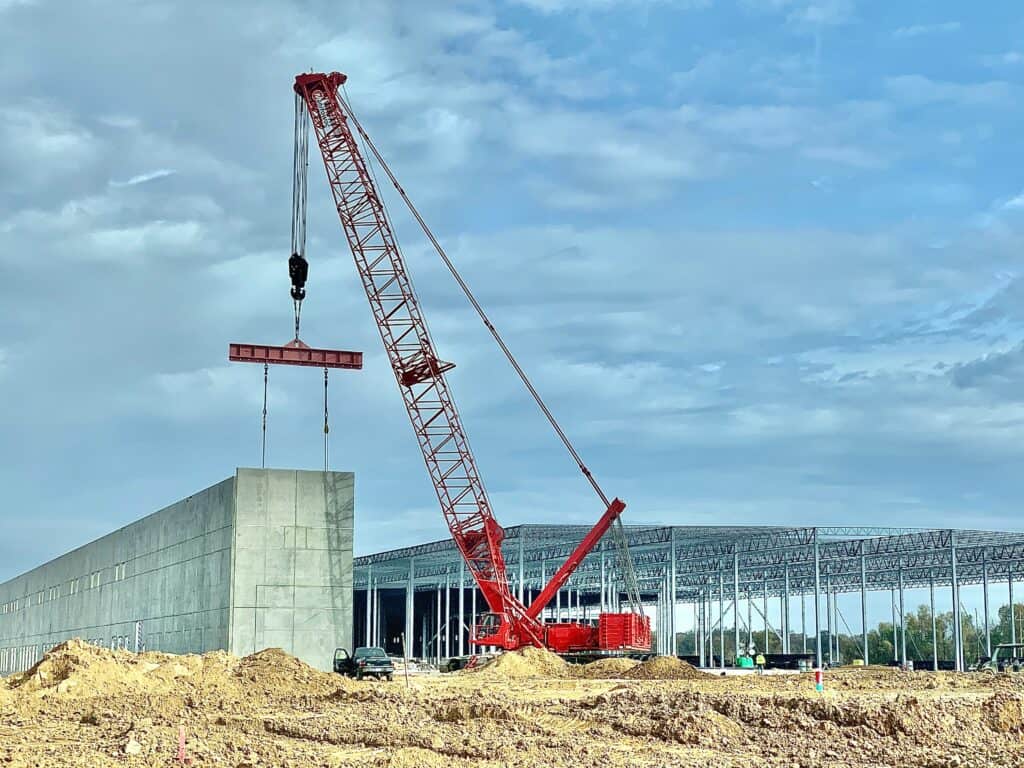
Industrial and Construction Site Needs
On remote job sites, especially in Alberta’s energy and construction sectors, potable water is necessary to comply with the province’s health and safety rules. Crews rely on it for:
- Drinking and hydration
- Handwashing and hygiene stations
- Cooking (if camps or kitchens are onsite)
Other Uses Include:
- Dust suppression
- Equipment cleaning
- Emergency showers
- Fire suppression
Remote sites often lack access to plumbing or local utilities, making trucked potable water an onsite necessity.
Rule-of-Thumb Calculations for Job Sites
Planning ahead saves time, money, and optimises productivity. Here’s a standard approach:
General Rule: 20 litres per person per day for drinking and hygiene
Example:
- 10 workers x 20 litres/day = 200 litres/day
- Weekly usage: 1,400 litres
- Monthly usage (20 working days): 4,000 litres
For camps with kitchens, add extra water for cooking and cleaning. It’s a smart move to build in a 20% buffer for unexpected needs, equipment washing, or weather changes.
Quick Reference Metric vs Imperial Water Volume
| Shape | Dimensions Used | Volume (Litres) | Volume (imp. Gallons) | % of One Delivery (15,000 L) |
|---|---|---|---|---|
| Rectangular tank | 2 m x 1.5 m x 1 m | 3,000 L | ~660 gal | 20% |
| Rectangular tank | 6.5 ft x 5 ft x 3.5 ft | ~3,225 L | ~709 gal | 21.5% |
| Cistern | 10.6 ft x 8 ft x 8.5 ft | 15,456 L | 3400 gal | 100% |
| Cylindrical tank | 1.5 m x 2 m height | ~3,534 L | ~778 gal | 23.6% |
| Cylindrical tank | 5 ft x 6.5 ft height | ~3,635 L | ~800 gal | 24.2% |
| Medium Hot Tub | 6.5 ft x 6.5 ft x 3 ft | ~3,570 L | ~785 gal | 23.8% |
| Pool (15 ft round) | ~4 ft deep | ~17,000 L | ~3,740 gal | 113% (just over 1 load) |
| Pool (rectangle) | 24 ft x 12 ft x 5 ft approx. | ~40,000 L | ~8,800 gal | 266% (nearly 3 loads) |
How Bulk Potable Water Delivery Works
Now that you have a general idea of your water requirements, you’ll want to work with a licensed & certified potable bulk water hauler for the utmost safety and convenience.
What to Expect From The Friendly Guys at West Imperial Water Hauling:
- Other water trucks haul 3,000 gallons. Our trucks haul up to 15,000 litres (3,300 imperial gallons) of treated, potable water per truck. And with a fleet of 4 trucks and full-time drivers, we can get water out to you fast.
- Deliveries can be scheduled in advance (either a few days by giving us a call or setting up a recurring schedule), but emergency and rush options may be available.
- We regularly sanitize our tanks and hoses, and are routinely tested by Alberta Health Services to ensure the water is contaminant-free.
- Contact us to request a quote or book your next delivery.
Bookmark this page and use our free calculator to plan your water needs ahead of time.
FAQs
How do I calculate how much water my family will use? Multiply the number of people in your residence by 250 litres per day (depending on lifestyle, season, and usage).
How do I calculate how much water my pool or hot tub needs? Use a formula: Length x Width x Average Depth (in metres) x 1,000 = litres. Or use our handy water volume calculator.
What’s the typical daily water usage per person on a job site? Around 20 litres/day for drinking and hygiene. Add more if cooking or cleaning.
How often should I refill my cistern or tank? This depends on your daily usage and size of the cistern. Monitor levels weekly and plan your next delivery while the tank is on the last 25%.
How often should a cistern be cleaned? Alberta Health Services recommends at least once a year, but it depends on your situation.
How much water is used in a 10 minute shower in litres? A standard shower head uses about 15-20 litres of water per minute, therefore a 10-minute shower would use approximately 200 litres of water. Low-flow or high-efficiency showerheads can reduce that by around half.
How long can I store water in my cistern? It is recommended that water does not sit stagnant in a cistern for extended periods of time. Under one month is ok. Ideally, you want to run low before getting another load delivered so your water remains fresh.
What if I only need a part load? We take care of our customers. For instance, we can use one load to fill your hot tub for the season and put the rest in your cistern. Talk to us about what’s possible because we want to deliver value when you choose us.